



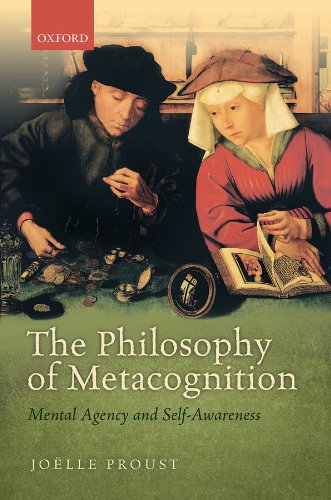
The Philosophy of Metacognition: Mental Agency and Self-Awareness

 4.2 (50 items)
 Limited Time Sale
US$16.59 cheaper than the new price!!
Free cash-on-delivery fees for purchases over $99
Product details
| Management number | 233563151 | Release Date | 2026/06/27 | List Price | US$11.06 | Model Number | 233563151 | ||
|---|---|---|---|---|---|---|---|---|---|
| Category | |||||||||
Does metacognition, i.e. the capacity to form epistemic self-evaluations about one's current cognitive performance, derive from a mindreading capacity, or does it rely, at least in part, on sui generis informational processes? In The Philosophy of Metacognition Joëlle Proust provides a powerful defense of the second position. Drawing on discussions of empirical evidence from comparative, developmental, and experimental psychology, as well as from neuroscience, and on conceptual analyses, she purports to show that, in contrast with analytic metacognition, procedural metacognition does not need to involve metarepresentations. Procedural metacognition seems to be available to some non-humans (some primates and rodents). Proust further claims that metacognition is essentially related to mental agency, i.e. cognitive control and monitoring. 'Self-probing' is equivalent to a self-addressed question about the feasibility of a mental action ('Am I able to remember this word?'). 'Post-evaluating' is a way of asking oneself whether a given mental action has been successfully completed ('Is this word the one I was looking for?'). Neither question need be articulated conceptually for a feeling of knowing or of being right to be generated, or to drive epistemic control. Various issues raised by the contrast of a procedural, experience-based metacognition, with an analytic, concept-based metacognition are explored, such as whether each is expressed in a different representational format, their sensitivity to different epistemic norms, and the existence of a variety of types of epistemic acceptance. Read more
| ASIN | B00GSRWJ4Y |
|---|---|
| XRay | Not Enabled |
| ISBN13 | 978-0191022562 |
| Edition | 1st |
| Language | English |
| File size | 3.1 MB |
| Page Flip | Enabled |
| Publisher | OUP Oxford |
| Word Wise | Not Enabled |
| Print length | 378 pages |
| Accessibility | Learn more |
| Screen Reader | Supported |
| Publication date | November 28, 2013 |
| Enhanced typesetting | Enabled |
Bestseller ranking
Epistemology





Customers who viewed this product also viewed
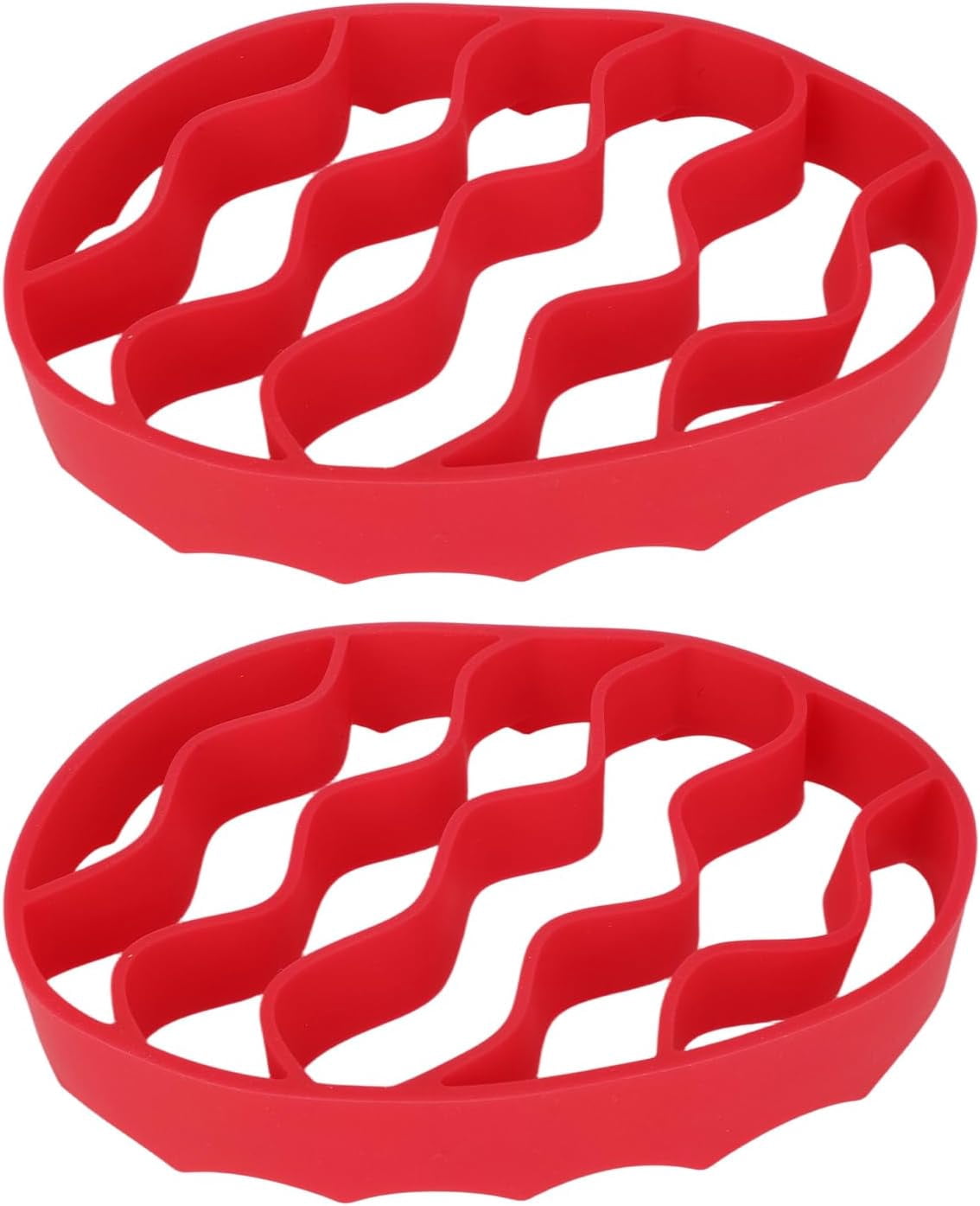
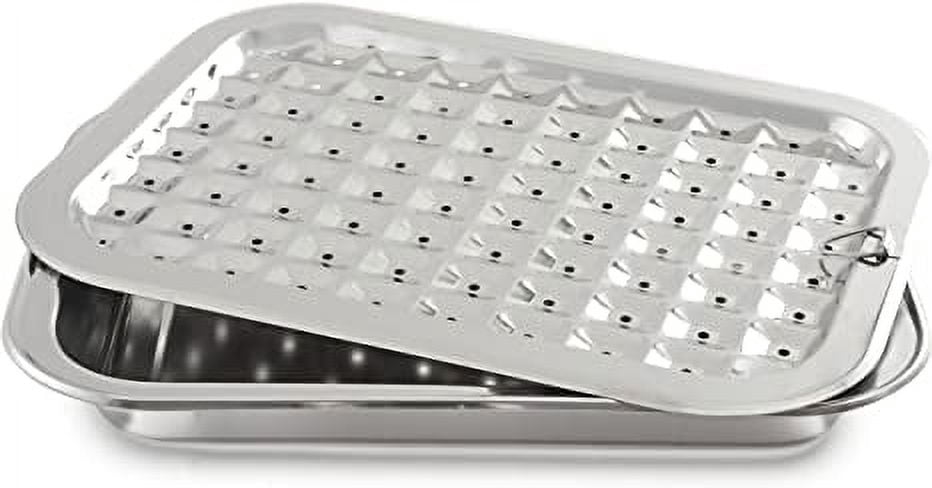
Roasting Pans
Correction of product information
If you notice any omissions or errors in the product information on this page, please use the correction request form below.
Correction Request Form